

What Role Does Nutrition Play In A Medical Weight Loss Program?: The significance of dietary choices in a medical program for shedding pounds in Nashville, TN is crucial for achieving desired results
At Belcourt Aesthetics Med Spa in Nashville, TN, we understand the significance of incorporating proper nutrition into a comprehensive medical weight loss program. Our team of experts recognizes the vital role that dietary choices play in achieving and maintaining a healthy weight. By focusing on nutritious food options and personalized meal plans, we can help you reach your weight loss goals effectively.
The Importance of Nutrition in a Medical Weight Loss Program
When embarking on a medical weight loss journey, it is essential to prioritize nutrition for optimal results. Here are some key reasons why nutrition plays a crucial role in a successful weight loss program:
- Provides essential nutrients for overall health and well-being
- Aids in weight management by regulating metabolism and energy levels
- Supports muscle growth and repair during the weight loss process
- Helps control appetite and cravings, making it easier to adhere to dietary guidelines
By focusing on a balanced and nutrient-rich diet, individuals can enhance their weight loss efforts and improve their overall health. At Belcourt Aesthetics Med Spa, we prioritize the integration of proper nutrition into our medical weight loss programs to ensure long-lasting results for our clients.
Belcourt Aesthetics Med Spa 2129 Belcourt Ave, Nashville, TN 37212 +16156224544
For more information – Click Here
How Nutrition Supports Weight Loss in Medical Programs
Eating a balanced diet is crucial for success in a medical weight loss program. Nutrition plays a key role in supporting weight loss efforts by providing the body with essential nutrients to function optimally. Here are some ways in which nutrition supports weight loss in medical programs:
- Proper nutrition helps regulate metabolism and energy levels, which are important for burning calories and losing weight.
- A diet rich in fruits, vegetables, and whole grains can help control hunger and prevent overeating, leading to reduced calorie intake.
- Protein is essential for muscle growth and repair, which is important for maintaining lean muscle mass while losing fat.
In addition to providing essential nutrients, a well-balanced diet can also improve overall health and well-being. This can lead to increased motivation and adherence to a weight loss program, resulting in better outcomes.
It is important to work with a healthcare provider or nutritionist to develop a personalized nutrition plan that aligns with your weight loss goals and medical needs. They can provide guidance on portion control, food choices, and meal planning to help you achieve long-term success.
By focusing on nutrition and making healthy food choices, you can support your body’s weight loss efforts and improve your overall health and well-being in the process.
Nutritional Guidelines for Successful Weight Loss
When embarking on a journey to achieve weight loss, it is crucial to pay close attention to your nutritional intake. Here are some expert tips to help you navigate the world of nutrition for successful weight loss:
- Focus on whole, nutrient-dense foods such as fruits, vegetables, lean proteins, and whole grains.
- Avoid processed foods high in sugar, salt, and unhealthy fats, as they can hinder your weight loss progress.
- Stay hydrated by drinking plenty of water throughout the day, as dehydration can sometimes be mistaken for hunger.
Additionally, incorporating regular exercise into your routine can complement your nutritional efforts and help you achieve your weight loss goals more effectively. Remember, everyone’s nutritional needs are unique, so it’s essential to listen to your body and make adjustments as needed. By following these guidelines and staying consistent, you can set yourself up for success on your weight loss journey.
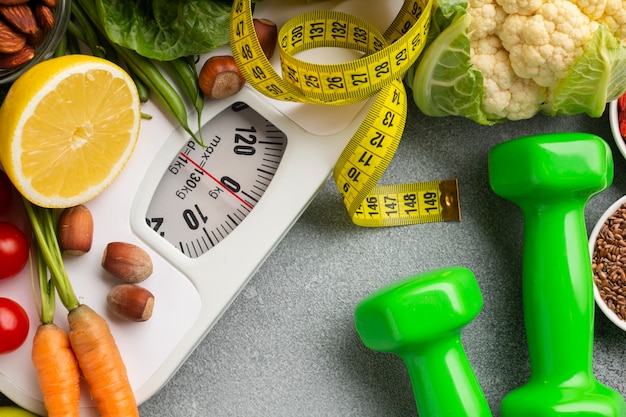
Integrating Nutrition into Your Medical Weight Loss Plan
When embarking on a journey towards achieving your weight loss goals through a medical weight loss program, it is essential to understand the critical role that nutrition plays in the process. Incorporating a well-rounded and balanced diet can significantly impact your progress and overall success. Here are some key points to consider when integrating nutrition into your medical weight loss plan:
- Focus on whole foods: Prioritize whole, nutrient-dense foods such as fruits, vegetables, lean proteins, and whole grains to ensure you are getting essential vitamins and minerals.
- Monitor portion sizes: Pay attention to portion control to avoid overeating and ensure you are consuming the appropriate amount of calories for weight loss.
- Stay hydrated: Drinking an adequate amount of water is crucial for overall health and can help with weight loss by promoting satiety and boosting metabolism.
Additionally, working closely with a healthcare provider or nutritionist can provide personalized guidance and support tailored to your specific needs and goals. They can help you create a customized meal plan, track your progress, and make adjustments as needed to optimize your results.
By focusing on incorporating healthy eating habits and making sustainable lifestyle changes, you can enhance the effectiveness of your medical weight loss program and achieve long-lasting success in managing your weight.
Maximizing Results with Proper Nutrition in Weight Loss Programs
When embarking on a weight loss journey, it is crucial to pay close attention to the role of nutrition in achieving your goals. Proper nutrition not only aids in weight loss but also plays a significant role in overall health and well-being. Here are some expert tips to help you maximize results with the right nutrition:
- Focus on whole foods such as fruits, vegetables, lean proteins, and whole grains to ensure you are getting essential nutrients without excess calories.
- Avoid processed foods high in sugar, salt, and unhealthy fats, as these can hinder your weight loss efforts and impact your health negatively.
- Stay hydrated by drinking plenty of water throughout the day, as dehydration can sometimes be mistaken for hunger, leading to unnecessary calorie consumption.
Additionally, incorporating regular physical activity into your routine can complement your nutrition plan and accelerate weight loss. Remember, every individual’s body is unique, so it’s essential to listen to your body’s cues and adjust your nutrition plan accordingly. Consulting with a healthcare professional or nutritionist can also provide personalized guidance to help you achieve your weight loss goals successfully.
